
Browse our fun-packed, helpful plant-based articles, and delve deeper into this healthy, sustainable lifestyle!


Incorporating Intermittent Fasting With A Plant-Based Diet: Complete Guide
Plant-Based Weight Loss For Women
Author: Plant-Based Susy
Plant-based intermittent fasting combines two of the most well-researched approaches to sustainable weight management: a whole-food plant-based diet and a structured eating window. Together, they support fat loss, reduce inflammation, improve gut health, and for women in perimenopause or post-menopause, can help address the hormonal weight gain that standard diets rarely touch. This guide covers how it works, which method suits which lifestyle, and what a real plant-based IF day looks like.
There has been a lot of buzz around Intermittent fasting in recent years. This innovative approach has quickly become one of the most common and effective weight loss methods. Combining intermittent fasting with a plant-based diet takes the benefits to a new level. There are plenty of delicious plant-based foods for weight loss, and eating them within a certain time window can make the process faster and more effective.

Table of Contents:
What Is Intermittent Fasting?
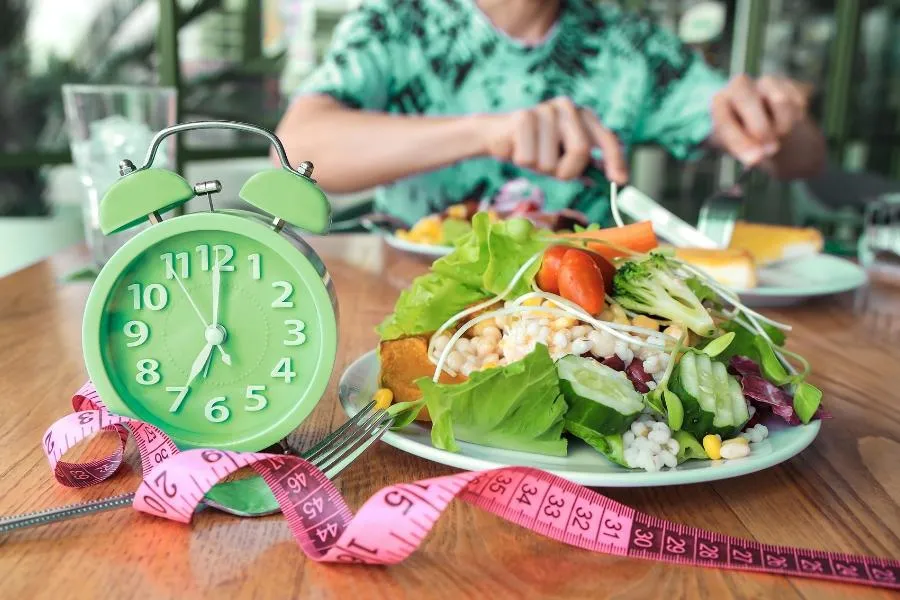
Intermittent fasting is an eating plan that switches between fasting and a regular eating schedule. With this diet, the focus is less on cutting out certain foods and more on when you should eat. Following intermittent fasting means you only eat during certain parts of the day rather than whenever you want to. That means you won't indulge in late-night snacks but will still get plenty of food outside of fasting hours.
Research shows that fasting for a certain amount of time each day positively impacts the body. Studies show that fasting diets like this are a good option for those wanting to lose weight. For people who don't want to count calories or follow a fad diet, this is an incredibly excellent route for weight loss. The body can go without food for long periods, so this is a safe weight-loss option as well.
Intermittent fasting sets aside a time when one doesn't eat. By doing so, the body depletes glucose stores and starts to burn stored fat for energy. This is called metabolic switching. Short-term intermittent fasting can boost metabolism. Fasting for up to 48 hours can boost metabolism by 3.6 – 14%, but any more than that, and the positive effects begin to reverse.
How Does Intermittent Fasting Work?
Intermittent fasting can work in many ways, but they are all similar. Intermittent fasting creates a period without eating. With intermittent fasting, eating is restricted to a specific window of time during the day, and the remainder of the day is spent fasting. Limiting eating to a particular time frame makes people consume fewer calories than they would otherwise.
Short-term fasting has been shown to boost metabolism by 3.6–14% (though beyond 48 hours, the effect reverses). For most people, the practical benefit is simpler: a structured eating window naturally reduces overall calorie intake without requiring calorie counting.
16/8 Method
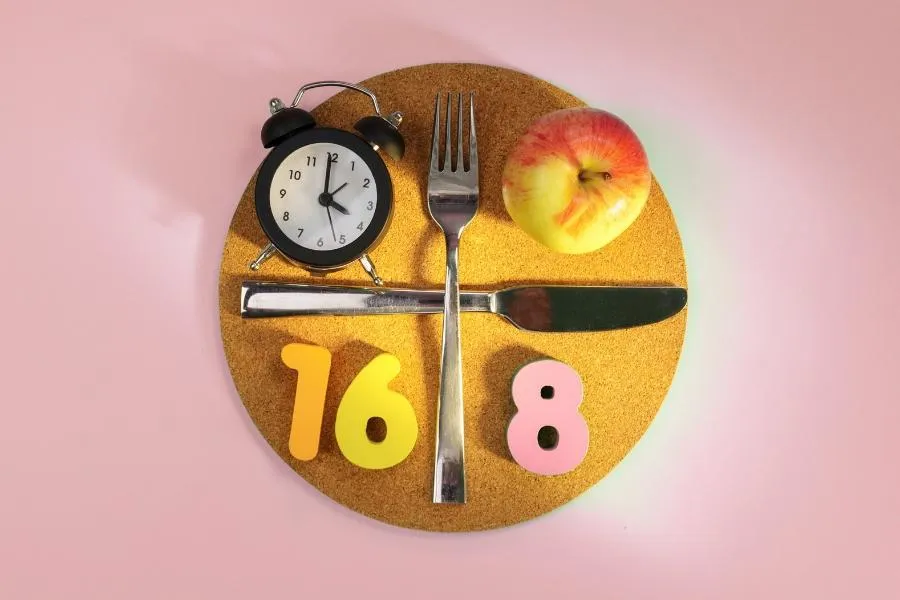
The 16/8 intermittent fasting method limits food intake to a set window of 8 hours each day; for the other 16 hours, you fast. This includes beverages that contain calories, but you can have some drinks like plain coffee and water. This is the most popular method of intermittent fasting. It's simple to follow and attainable.
The 16/8 method simplifies intermittent fasting and doesn't disrupt daily life. For example, you'll fast longer in the morning if you go out for a late dinner. If you have breakfast planned earlier than usual, you'll need to stop eating sooner in the evening. It's not a restrictive diet; it's flexible and can work for most lifestyles.
5:2 Method
The 5:2 diet is another popular method of intermittent fasting. With this method, five days a week your eating habits can stay the same, and the remaining two are restricted to 500 to 600 calories daily. This diet doesn't limit what foods you eat or when you can eat them. It's a lifestyle change two days a week, which for some people is super easy to accommodate.
The 5:2 Method allows five days of regular eating habits and only two days of restricting calories. This allows for a lot of freedom. Two days of controlled eating is pretty simple if you plan your weeks out in advance. Consider your work schedule and any meal plans you want to follow. The two days of restriction don't have to be back-to-back to see results, which frees things up even more.
If your regular eating habits involve eating tons of junk food and way more food than your body needs every day, you aren't going to lose anything. It's essential to still eat plenty of healthy foods and get a variety of nutrients in your diet. Following a plant-based diet and using the 5:2 Method can be even more beneficial. With this diet, you're likely already eating many nutritionally dense foods. It helps when you are already getting plenty of vegetables, fruits, and plant-based proteins.
Alternate-Day Fasting
With the alternate-day fasting method, you fast every other day. This is also referred to as the every-other-day diet. You are free to eat whatever you want on non-fasting days. Fasting days are similar to the 5:2 Method in that calories are kept around 500. Some choose not to consume any calories on their fasting days, while others limit what they eat to just a few hundred calories.
The method you select for your intermittent fasting journey depends on your lifestyle and what you feel most comfortable with. Each method can bring success if executed correctly, so it's really all about what works best for you. It doesn't hurt to devote a week to each Method to see which you like most. Once you decide on a method, stick to it for a few months and give it a real, honest try. As with any diet or weight loss routine, seeing the results you're hoping for takes time.
What Does A Plant-Based Intermittent Fasting Diet Look Like?
Intermittent fasting focuses on when to eat rather than what to eat. The focus is on both when a plant-based diet is added to the mix. While you're technically allowed to indulge however you see fit during non-fasting hours, consuming a well-balanced diet is still best. Eating a combination of plant-based proteins, whole grains, nuts, seeds, fruits, and vegetables is essential.
As with any other plant-based diet, it's best to limit processed foods and stick to whole options whenever possible. It's best not to be too restrictive with yourself, as things are already hard enough when fasting is involved. If you're fasting and cutting out all the foods you love, you are putting yourself at a higher risk of binge eating and destroying the progress you're working towards.
Intermittent fasting and plant-based diets have been linked to weight loss. Both lifestyle changes have other benefits, including lower blood sugar and cancer risk. Making these changes is a great way to take care of the body and reach your goals. However, both are restrictive in their own way, so keeping up with nutrient requirements is essential.
Benefits Of Plant-Based Intermittent Fasting
Both plant-based diets and intermittent fasting bring about benefits on their own. Some of these benefits overlap, and others are unique. Practising both a plant-based diet and intermittent fasting simultaneously can double up on the benefits and create a lasting improvement in your life.

Benefits Of A Plant-Based Diet
Sustainable weight loss, particularly visceral (belly) fat
Better digestion and improved gut health
Reduced chronic inflammation via polyphenols, carotenoids, and flavonoids
Improved heart health — lower LDL cholesterol and blood pressure
Lower risk of type 2 diabetes through improved insulin sensitivity
Reduced cancer risk
Eases perimenopause and menopause symptoms via phytoestrogens
Improved cholesterol profile
Many people try a plant-based diet or intermittent fasting for weight loss, but there are many other good reasons to do so. Intermittent fasting creates opportunities for things to happen within the body that lead to many other benefits.
Benefits Of Intermittent Fasting
Supports fat loss without calorie counting
Boosts metabolism by up to 14% short-term
Improved heart health — reduces triglycerides, improves HDL cholesterol (2020 review, New England Journal of Medicine)
Reduced inflammation — lowers CRP and IL-6 markers
Reduced risk of type 2 diabetes
Boosts BDNF (brain-derived neurotrophic factor), supporting memory and cognitive function
Better sleep quality
Cellular repair via autophagy during fasting periods
Improves gut microbiome diversity (2019 study, Cell)
For women in perimenopause and post-menopause, the combination has additional relevance. Falling oestrogen drives insulin resistance and belly fat accumulation — two problems that both IF and plant-based eating directly address. A 2022 review in Nutrients found that time-restricted eating improved insulin sensitivity in postmenopausal women independent of weight loss.
Tips For Intermittent Fasting With A Plant-Based Diet
Incorporating intermittent fasting with a plant-based diet doesn't have to be a challenge. Developing new healthy habits is essential when switching up your life like this. There are some tips and tricks to make this diet work for you and put more ease into this new routine. Once you decide which Method of intermittent fasting you want to try, here are a few more things to remember.
Eat Nutrient-Dense Foods
Eating plenty of nutritionally dense plant-based foods during the eating window is essential. Get plenty of fibre through vegetables like leafy greens, legumes, broccoli, Brussels sprouts, and asparagus. Load up on healthy fats like nuts, seeds, and avocado. Reach for plant-based protein sources like tempeh, tofu, lentils, edamame, beans, and chickpeas.
Never underestimate the importance of a colourful plate. Eating a variety of fruits and vegetables is a good way to ensure you consume the necessary nutrients. The different nutrients and phytochemicals in fruits and vegetables present themselves in multiple unique colours. These foods are full of antioxidants, vitamins, and minerals. Try to add in two different-coloured fruits and vegetables with every meal. Add in healthy snacks, too.
Plan Your Meals
Plan your meals and stick to them. Letting go of comfort eating can be challenging, but developing a routine can make all the difference in your life. That doesn't mean you need to be perfect, but meal planning helps you stick to a schedule and ensure you get all the food you need within your eating window. Ultimately, it's about balance and fostering a positive relationship with food.
When following a plant-based diet, a plan is always helpful. Sometimes, supplements and fortified foods are needed to ensure you get all the nutrients you need. Vitamin B12 is the most common nutrient plant-based eaters get concerned about. Others include Vitamin D, iron, zinc, omega-3, iodine, and calcium. As long as you eat various plant-based foods, these should be pretty easy to get, but that's where planning your meals comes in handy.
Stay hydrated
Drink enough water as the day goes on. It's important to drink plenty of water both during fasting periods and the eating window. Staying hydrated during intermittent fasting is crucial to ensuring the body functions properly during fasting periods.
Drinking plenty of water prevents dehydration and avoids the uncomfortable and sometimes dangerous symptoms that accompany it. If water is the only thing your body can use when you're not giving it food, it only makes sense that you'll need to stay hydrated.
Play around with fasting styles
Not every intermittent fasting method will fit into your lifestyle in the same way. Some require fasting for 16 hours, while others limit calories to a few days each week. If you're considering the 16/8 intermittent fasting method, start with a shorter fasting window.
Try a 10—to 12-hour fast and increase it from there. There is no need to jump right into 16 hours. If the other methods sound better, there's nothing wrong with starting with one fasting day a week rather than two or three.
Plant-Based Intermittent Fasting Meal Plan
Your meal plan will vary based on which IF method you follow and your food preferences. The most important thing is to include a protein source, healthy fat, and fibre at every meal. Here is what a real plant-based 16/8 day looks like (eating window 10am–6pm):
10:00am — First meal
Green smoothie with spinach, frozen mango, banana, soya milk, 1 tbsp ground flaxseed, and 1 tbsp hemp seeds. Serve with 2 slices of wholegrain toast and almond butter.
1:00pm — Lunch
Grain bowl with brown rice, roasted sweet potato, chickpeas, kale, and tahini dressing (tahini, lemon, garlic, water). Top with sesame seeds and pumpkin seeds.
4:30pm — Snack
Handful of walnuts and an apple. Or a small bowl of steamed edamame with sea salt.
5:30pm — Last meal
Lentil dal with brown basmati rice, steamed broccoli, and a squeeze of lemon.
General rules for every day:
Include a protein source at first and last meals (tofu, tempeh, lentils, chickpeas, edamame, seitan)
Add ground flaxseed or hemp seeds to at least one meal daily
Eat dark leafy greens at least once a day
Have fortified plant milk in at least one meal for B12 and calcium
Drink 2–2.5 litres of water across the day, including during the fast
Plant-Based IF and Menopause
For women in perimenopause or post-menopause, this combination is worth serious consideration. The two main drivers of menopause weight gain are falling oestrogen and rising insulin resistance. Plant-based intermittent fasting addresses both directly.
Phytoestrogen-rich plant foods (soya, flaxseeds, legumes) gently support hormone balance during the transition. The fasting window improves insulin sensitivity, reversing the metabolic slowdown that oestrogen decline triggers. And the anti-inflammatory effect of both approaches reduces the joint pain, brain fog, and fatigue that many women experience in their 40s and 50s.
For the full nutritional picture on eating for menopause, including a 7-day meal plan, symptom-specific guidance, and UK nutrient targets, see our complete plant-based menopause guide.
The Bottom Line
Intermittent fasting is an eating plan that switches between fasting and a regular eating schedule. This diet focuses less on cutting out certain foods and more on timing meals a certain way. Following intermittent fasting means you only eat during specific parts of the day rather than whenever you want to.
To follow a plant-based diet while intermittent fasting, you need to consume various nutrient-dense foods within the eating window you've decided on. Prioritise eating vegetables, fruits, whole grains, and protein sources like tempeh, tofu, lentils, beans, and nuts. These foods will help keep your body satisfied throughout fasting periods. Monitor nutrients like B12, iron, and calcium to avoid any deficiencies. Some foods must be fortified to receive the nutrients you need or try adding a supplement that covers them all.
A plant-based diet and intermittent fasting don't carry many risks as long as you consume all the nutrients your body needs to thrive. It's uncommon for those intermittently fasting to run into any safety issues. If you're pregnant, a young teenager, or struggle with disordered eating, it's best to consult a professional before making any drastic changes. Incorporating intermittent fasting with a plant-based diet is safe, and many people have found great success in this diet. Be sure to eat various foods daily to get all the necessary nutrients.
Not every intermittent fasting method will fit into your lifestyle. It's okay to give them all a try or change the routine up to fit your needs. One great thing about this lifestyle change is the variety you're still allowed to have daily. This diet isn't strict on what foods you can fill your plate with. You can still indulge in your favourites within your eating window. There’s no need to feel like you lack any of the flavours you know and love.
If you’re looking for a practical way to get started, the More Plants💚Less Pounds 30-Day Program offers a flexible structure designed specifically for women over 40. And if you’re ready to go deeper, this same 30-Day Jump Start also includes strength training and mindful eating support to help you reset without restriction.
Frequently Asked Questions
What should I eat to break a plant-based fast?
Break your fast with a meal that includes protein, healthy fat, and fibre. Good options include a tofu scramble with vegetables, overnight oats with nut butter and seeds, or a grain bowl with legumes and tahini dressing. Avoid breaking a fast with fruit juice or refined carbohydrates — these spike blood sugar and trigger hunger quickly.
Is plant-based intermittent fasting safe for women over 40?
Yes, for most women. The combination is particularly relevant for women in perimenopause and post-menopause, as it addresses insulin resistance and visceral fat accumulation driven by falling oestrogen. The main precaution is to eat enough during the eating window — undereating on top of fasting raises cortisol and is counterproductive. Women on medication should speak to their GP before starting.
How long does it take to see results from plant-based IF?
Most women notice improved energy and reduced bloating within the first two weeks. Weight loss typically becomes visible from weeks three to four. Improvements in blood sugar, cholesterol, and inflammation markers take longer — generally 8–12 weeks of consistent practice.
What can I drink during a plant-based fast?
Water, plain sparkling water, black coffee, and plain herbal teas are all fine during fasting periods. Anything containing calories — including plant milks, juices, and smoothies — breaks the fast.
Does intermittent fasting slow metabolism long-term?
Short-term fasting boosts metabolism by 3.6–14%. Standard IF protocols (16/8, 5:2) with adequate calorie intake during eating windows do not slow metabolism long-term. The key is eating enough during the eating window. IF combined with adequate protein and strength training is one of the most effective ways to preserve metabolic rate as women age.

💚 "Happy Plant-Based Eating & Exercising!" 💚
Plant-Based Susy
Plant-Based Nutrition Professional & Weight Loss Coach
Empower Yourself: Embark on a Delicious Fat Loss Adventure


🍉 Get Ready to Jump Start Your Fitness Goals AND DISCOVER A HEALTHIER YOU!
🍉 Let's Make Your Fat Loss & Optimum Health Journey a Delicious Success Story!
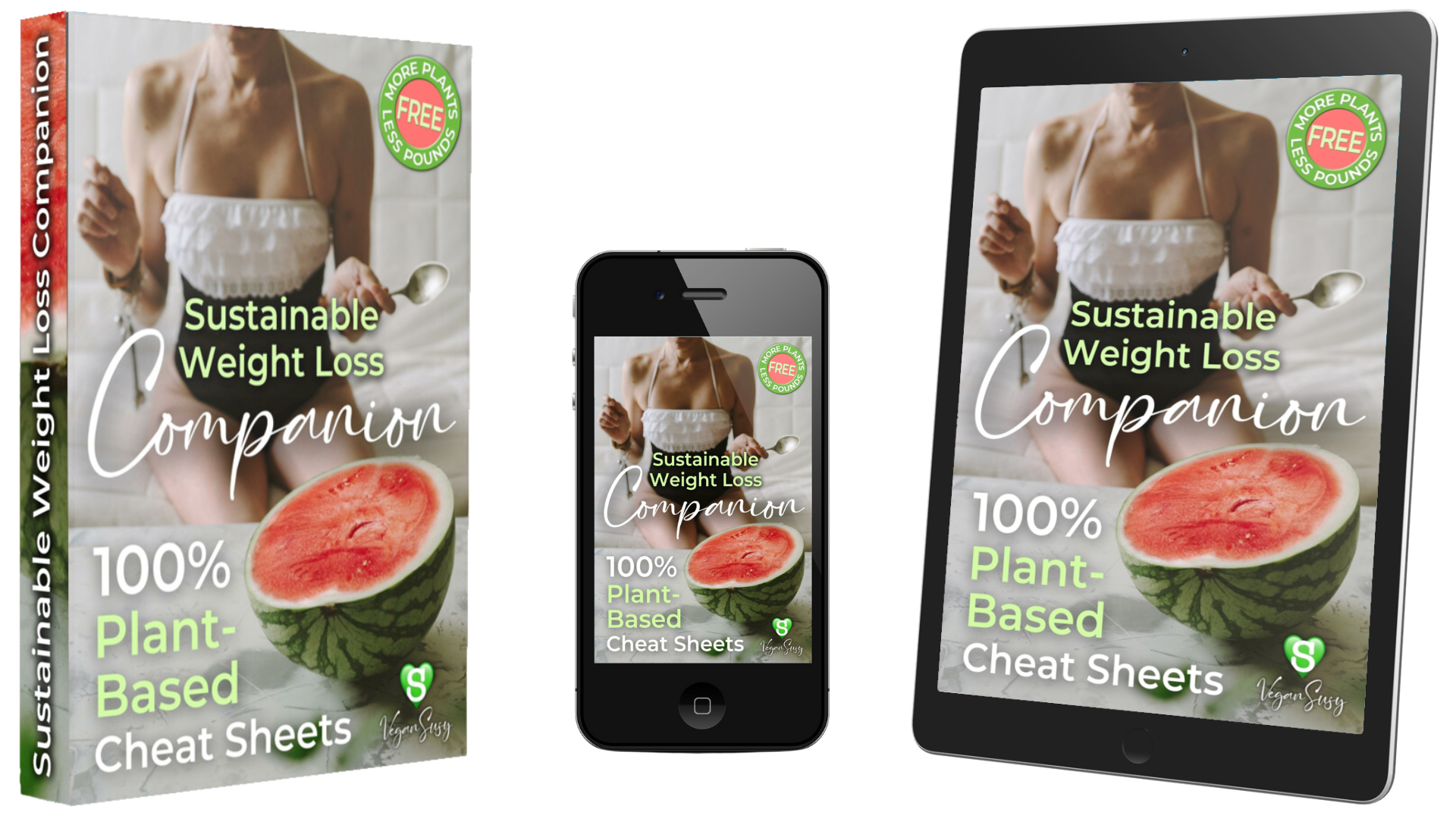
🍉 Get The FREE Sustainable Weight Loss Companion eBook and CHEAT SHEETS!
More Free Resources
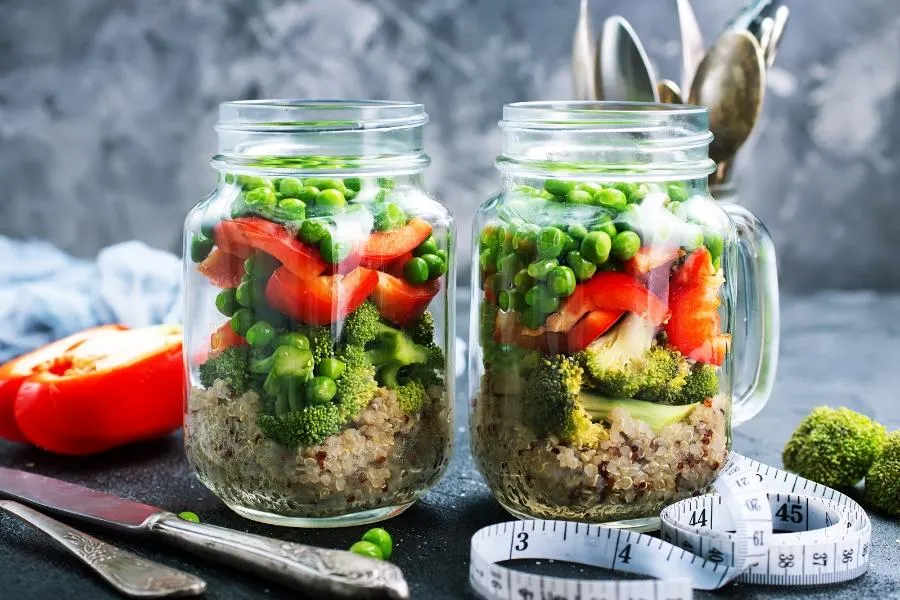
The Ultimate Guide to Plant-Based Meal Prep for Vegan Weight Loss
Ready to revolutionise your meals and your health? Look no further than a vegan diet! Discover the ease and benefits of meal planning and preparation with simple strategies and my tasty make...
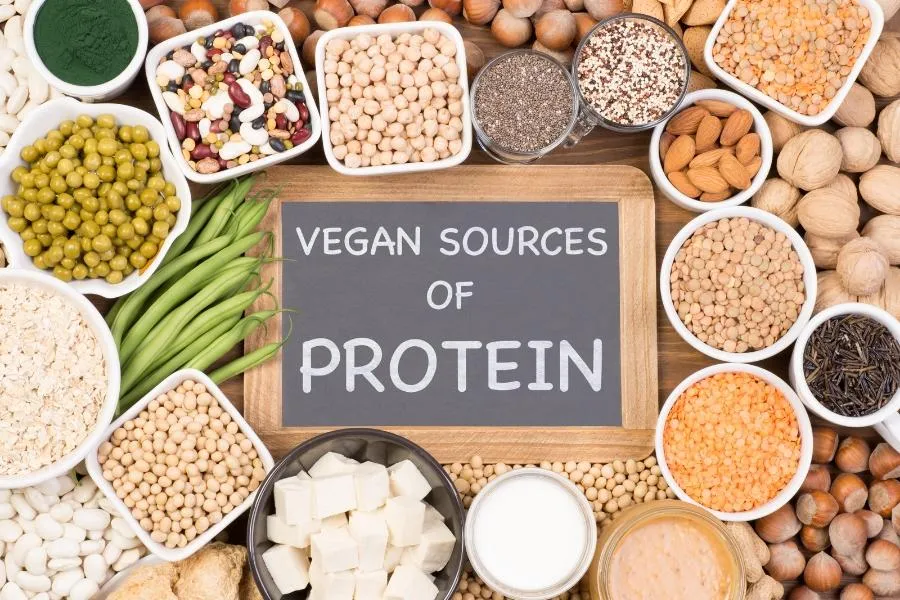
Top 15 Plant-Based Protein Sources for a Vegan Diet
As a vegan health coach and plant-based nutritionist, I often get asked about plant-based protein sources. After all, protein is an essential nutrient that plays a vital role in the function and structure of our...

How Much Exercise Do You Really Need on a Plant-Based Diet?
Are you wondering how much exercise you need to get in shape and boost your energy on a plant-based diet? Look no further! In this post, we’ll dive into the optimal amount of exercise for optimal…
Unlock Your Transformation Today!
Let's Be Friends!







Facebook
Instagram
Youtube
Pinterest