
Browse our fun-packed, helpful plant-based articles, and delve deeper into this healthy, sustainable lifestyle!


Plant-Based Menopause Diet Plan: 7-Day Vegan Meal Plan for Women Over 40
Plant-Based Lifestyle Tips For Women
Author: Plant-Based Susy
This healthy diet for women over 40 will get you started
Did you know that there are more than 34 symptoms associated with menopause, or what was euphemistically known as the "change”?
For women over 40, these symptoms can range from hot flushes to weight gain and even urinary and bowel symptoms. A healthy plant-based diet can alleviate many of these symptoms — and we have an easy weekly plant-based meal plan for anyone in menopause.
And the science is genuinely encouraging. A randomised trial led by Dr Neal Barnard, published in the journal Menopause, found that women on a low-fat plant-based diet with a daily serving of soya saw their moderate-to-severe hot flushes drop by 88%. That's roughly the same ballpark as HRT, achieved through food.
And if you’re ready to go deeper, this 30-Day Jump Start also includes strength training and mindful eating support to help you reset without restriction.
The best plant-based meal plan for women over 40 includes fibre, protein, calcium, and vitamin D, all necessary for bone, muscle, and heart health. The meal plan also contains phytoestrogen, which mimics the action of oestrogen (estrogen) in the body, easing symptoms of menopause.
Throughout this guide we'll cover the three stages of menopause (because they're not all the same), the symptoms a plant-based diet can ease, the specific nutrient targets your body needs once oestrogen starts dropping, the foods worth limiting, and a full seven-day meal plan with breakfast, lunch, dinner, and snacks — all linked to recipes.
Whether you're experimenting with a plant-based diet or vegan lifestyle, or at the end of your tether with age-related symptoms, this healthy diet for women over 40 will get you started.
Plant-Based Susy’s eating plan has breakfast, lunch, dinner, and snack options, all with links to delicious recipes. Let’s dive in and take a look at our weekly plant-based meal plan for menopause.
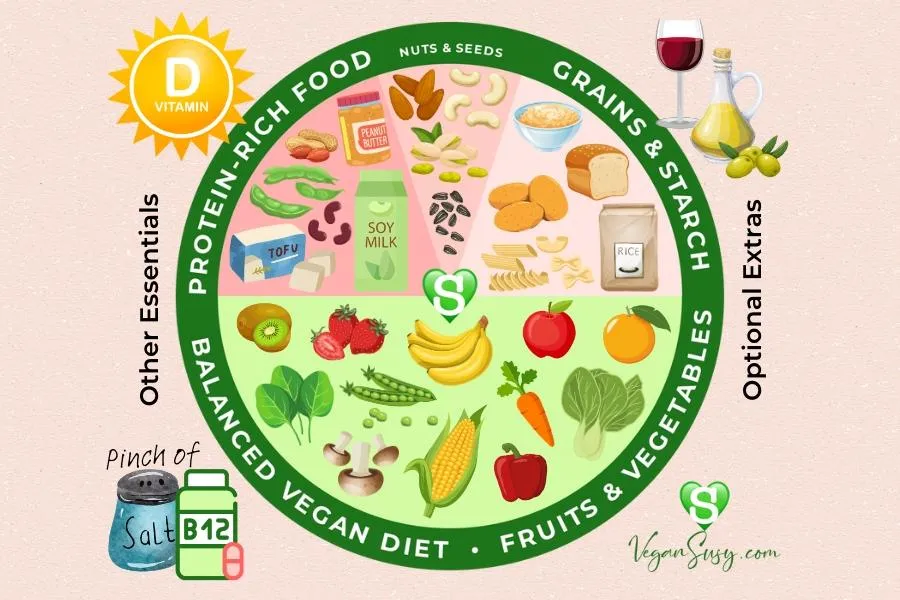
Table of Contents:
The 3 Stages of Menopause Every Woman Over 40 Should Know
Menopause gets used as a catch-all term, but it technically refers to one specific point in time. Knowing where you are in the journey helps you understand which symptoms to expect and which nutrients to prioritise.
Perimenopause — usually starts in your early 40s, sometimes earlier. Periods are still happening but becoming irregular, heavier, or lighter. Oestrogen and progesterone fluctuate, and the early symptoms creep in: hot flushes, mood changes, sleep disruption, and weight gain around the middle. This phase can last anywhere from 4 to 10 years.
Menopause — the day that marks 12 months without a period. According to the World Health Organization, this typically happens between ages 45 and 55, with the UK average around 51.
Post-menopause — every day after that. Symptoms often linger for years, but the long-term priorities shift: bone density (oestrogen protected your bones, now it's not), heart health (cardiovascular risk rises after menopause), and muscle mass (we naturally lose more after 50).
The meal plan further down works for all three stages — but the nutrient targets matter more the further you are along.
20 Menopause Symptoms a Vegan Diet Can Help Ease
According to NHS Inform, more than 20 different symptoms have been linked to menopause. The good news is that a plant-based diet has been shown to help with many of them — through three mechanisms: phytoestrogens that gently mimic oestrogen, anti-inflammatory plant compounds, and a happier gut microbiome.
Here are the symptoms that respond best to dietary changes:
Hot flushes — reduced by up to 88% on a low-fat vegan diet with daily soya (WAVS trial, 2023)
Night sweats — same mechanism as hot flushes
Insomnia and disrupted sleep — plant-based diets linked to a 19% lower risk of sleep apnoea
Joint stiffness and pain — eased by anti-inflammatory foods and weight reduction
Weight gain around the middle — falling oestrogen drives belly fat; plant-based eating reverses the pattern
Urinary tract infections — vegan diets associated with 18% lower UTI risk
Brain fog and mood changes — supported by B vitamins, omega-3s, and stable blood sugar
Vaginal dryness — phytoestrogens may help (though topical treatment is usually needed too)
Bone density loss — calcium, vitamin D, vitamin K, and adequate protein all play a part.
If your symptoms are severe, please do see your GP alongside making any dietary changes. The British Menopause Society can help you find a specialist if you need one. Food helps, but it works best alongside good medical care, not instead of it.
Why a Plant-Based Diet Helps with Menopause (What the Research Says)
Here's a fascinating fact: until relatively recently, the Japanese language didn't have a word for menopausal hot flushes — because so few women experienced them. Only around 25% of Japanese women report hot flushes today, compared to roughly 75% of UK women. Mayan women, studied as they moved through menopause, reported no significant symptoms at all — and many said they actually looked forward to it.
What do these populations share? Diets rich in plants, legumes, soya, and whole grains, and low in dairy, red meat, and processed foods.
The encouraging part is that when Dr Barnard's clinical trial replicated this kind of diet in a Western population, the results held — confirming that it's the food doing the work, not genetics. We can borrow the principles, even if our high streets look very different from a Tokyo market.
Essential Nutrients for Women Over 40: Vegan Menopause Diet Targets
These are the nutrients that matter most once oestrogen starts to fall, with specific UK targets where they exist. Most women fall short on at least three.
Fruit, vegetables, and whole grains are brilliant sources of fibre.
Fibre — aim for 30g a day
This nutrient is essential to maintain a healthy weight and support good digestion. The National Diet and Nutrition Survey has shown that only 9% of British adults eat the recommended amount of roughage, 30g a day. Fibre also helps regulate blood sugar (which matters more in menopause as insulin resistance rises) and feeds the gut bacteria that influence how your body processes hormones.
Fruit, vegetables, whole grains, beans, and lentils are brilliant sources.
Vegan Protein for Menopause — somewhere between 0.83 and 1.2g per kg of body weight
This is one where the official guidance and the latest research disagree, so let me give you both honestly.
The UK reference intake is 0.83g per kg of body weight per day (so 58g for a 70kg woman). However, recent nutrition research — including the widely-cited PROT-AGE consensus — suggests women over 40 may benefit from 1.0–1.2g per kg (so 70–84g for a 70kg woman) to help maintain muscle as oestrogen falls. If you're doing strength training (highly recommended), the higher figure is the one to aim for. If you're sedentary, the standard RDA is fine.
Spread your protein across the day rather than loading it all at dinner — your body uses it more efficiently that way. Top plant sources: tofu, tempeh, edamame, seitan, lentils, chickpeas, hemp seeds, and quinoa. See our full guide to plant-based protein sources for women in menopause.
Calcium — 700mg pre-menopause, more once periods stop
The NHS recommends 700mg a day for most adults. The Royal Osteoporosis Society flags that calcium needs are higher post-menopause as bone loss accelerates — most international guidance puts this at around 1,000–1,200mg.
Plant sources: fortified plant milks (most provide around 240mg per glass — read labels, not all brands fortify), calcium-set tofu, kale, broccoli, bok choy, almonds, sesame seeds, and dried figs.
Vitamin D — 10mcg (400 IU) per day, especially in winter
The NHS recommends a daily 10mcg supplement during autumn and winter for everyone in the UK, and year-round for anyone who covers their skin or doesn't get much sunlight. Vitamin D is essential for calcium absorption — without it, calcium-rich foods don't do their job. Very few foods contain it naturally, so a supplement is usually needed on a plant-based diet.
Vitamin B12 — at least 1.5mcg per day (UK RNI)
B12 isn't reliably present in plant foods. The Vegan Society recommends one of three options: a daily 10mcg supplement, a weekly 2,000mcg supplement, or two daily servings of fortified foods (fortified plant milk, nutritional yeast labelled as fortified, fortified breakfast cereal — check the label as not all brands are fortified).
B12 is critical for energy, mood, and brain function. A deficiency mimics menopause brain fog, which is why many women feel dramatically better once they correct it.
Omega-3 fatty acids — 250mg combined EPA + DHA per day
The European Food Safety Authority recommends 250mg/day of combined EPA and DHA. Omega-3 has been shown to reduce hot flushes, lower inflammation, and support brain health.
Best plant sources: ground flaxseed (1 tbsp a day), chia seeds, walnuts, hemp seeds. For EPA and DHA specifically (the forms your body uses most directly), an algae-based supplement is the most reliable option.
Iron — 14.8mg per day until periods stop, then 8.7mg
Plant iron isn't absorbed as readily as animal iron, so pair iron-rich foods (lentils, chickpeas, tofu, dark leafy greens, pumpkin seeds, fortified cereals) with vitamin C (peppers, citrus, tomatoes) in the same meal to triple absorption. Avoid tea and coffee within an hour of iron-rich meals — they block absorption.
Magnesium — 270mg per day
Supports sleep, mood, and bone health. Plant sources: dark leafy greens, pumpkin seeds, almonds, black beans, dark chocolate (70%+), and avocado. Many women find a magnesium glycinate supplement helpful for sleep during perimenopause.
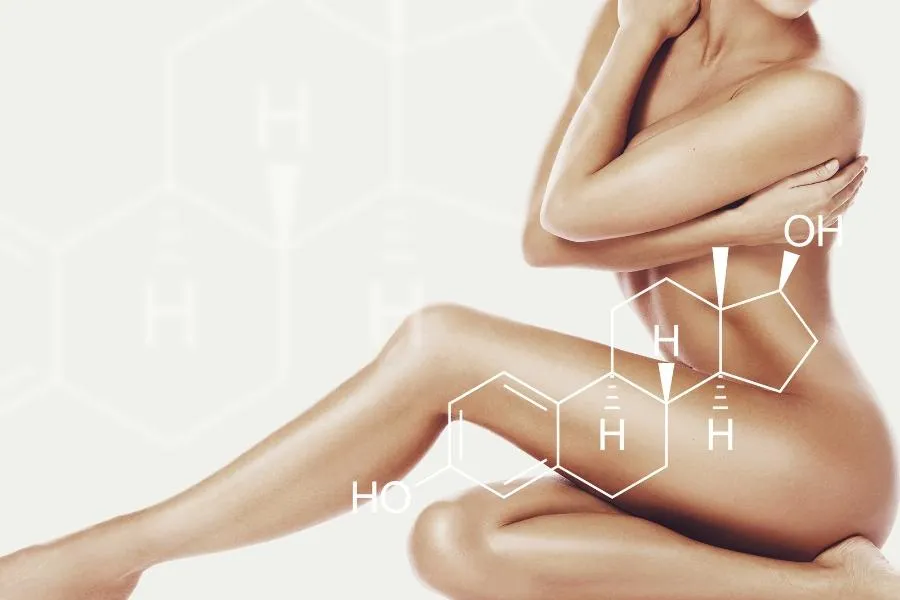
Phytoestrogens — aim for one serving daily
Half a cup of edamame, 100g of tofu, a glass of soya milk, or a tablespoon of ground flaxseed counts as a serving. This is the daily dose used in the Dr Barnard trial that produced the 88% hot flush reduction — it's the single most evidence-backed dietary lever you can pull for symptom relief.
These little-known nutrients, as Medical News Today explains, are plant-based compounds that mimic the function of oestrogen and help decrease menopausal symptoms. They are commonly found in soya products and flaxseeds, which must form part of a plant-based meal plan for women over 40.
Foods to Limit on a Menopause Diet Plan
Plant-based doesn't automatically mean menopause-friendly. These four are the ones most likely to make symptoms worse.
Alcohol is a hot flush trigger for many women — sometimes within minutes. It also disrupts sleep and adds empty calories that drive midlife weight gain. You don't have to give it up entirely, but most women feel better keeping it to 1–2 small drinks a week, ideally with food.
Refined sugar drives insulin resistance and belly fat, both of which are already accelerated by menopause. This doesn't mean no sweetness — fruit, dates, and a drizzle of maple syrup are absolutely fine. It means going easy on sugary drinks, cakes, biscuits, and reading labels on plant-based "treats" that often contain more sugar than the dairy versions.
Ultra-processed plant foods — vegan sausages, plant-based burgers, packaged snacks. These can be as inflammatory as their animal counterparts. Convenient occasionally, not a staple.
Excess caffeine worsens night sweats, anxiety, and sleep quality for many women. If you find your symptoms get worse in the evening, try cutting off caffeine after midday for two weeks and see what changes.
7-Day Menopause Diet Plan: Vegan Meal Plan for Women Over 40
The ideal plant-based diet for women over 40 will help to alleviate menopause symptoms and increase your overall health and well-being. (An eating plan cannot replace medical advice, so consult a medical practitioner if you have serious concerns about your health.)
This easy week-long plan for menopause is rich in fruit and vegetables, whole grains, legumes, nuts, and healthy fats. Snacks are allowed but do try to limit your intake of sugar, sodium, and saturated fats.
Note that the aim of this plan isn’t to lose weight, so there is no calorie counting. However, you may well lose weight as a happy side-effect. If you want to seriously lose weight and stay healthful as a woman over 40, read about our sustainable approach to healthy weight loss.
Monday
Breakfast: Healthy Pancakes
The British Association of Dieticians recommends making time to eat breakfast as your body requires fuel to function optimally.
Pancakes can be nutritious if you make them with whole grains — oats, buckwheat, and brown rice flour are all good choices. Include banana for sweetness. If you have a sweet tooth, drizzle with agave or maple syrup.
This is our favourite recipe for breakfast pancakes: Healthy 3-ingredient pancakes. Enjoy two pancakes with a dollop of peanut butter and some blueberries.
Snack: Edamame
Soya protein is vital to any eating plan for women over 40 as it contains healthy phytoestrogens, which mitigate menopause symptoms like hot flushes.
Edamame is the ideal snack as it is rich in phytoestrogen and contains roughage to aid digestion.
Steam shelled or shell-on edamame and enjoy ¾ cup of beans with a pinch of salt.
Lunch: Waldorf Salad
Salads are a vegan staple, which we eat every day. They can be as simple as lettuce and tomato or more substantial as a whole meal.
Ensure you use the freshest and best quality ingredients possible, especially if you are eating them raw. Ring the changes with your salad dressing.
For lunch, enjoy this Vegan Waldorf Salad with its delicious combination of celery and grapes, with walnuts for protein and heart-healthy fatty acids.
Snack: Fresh Fruit
Enjoy a small piece of fruit (e.g., plum, apple or pear).
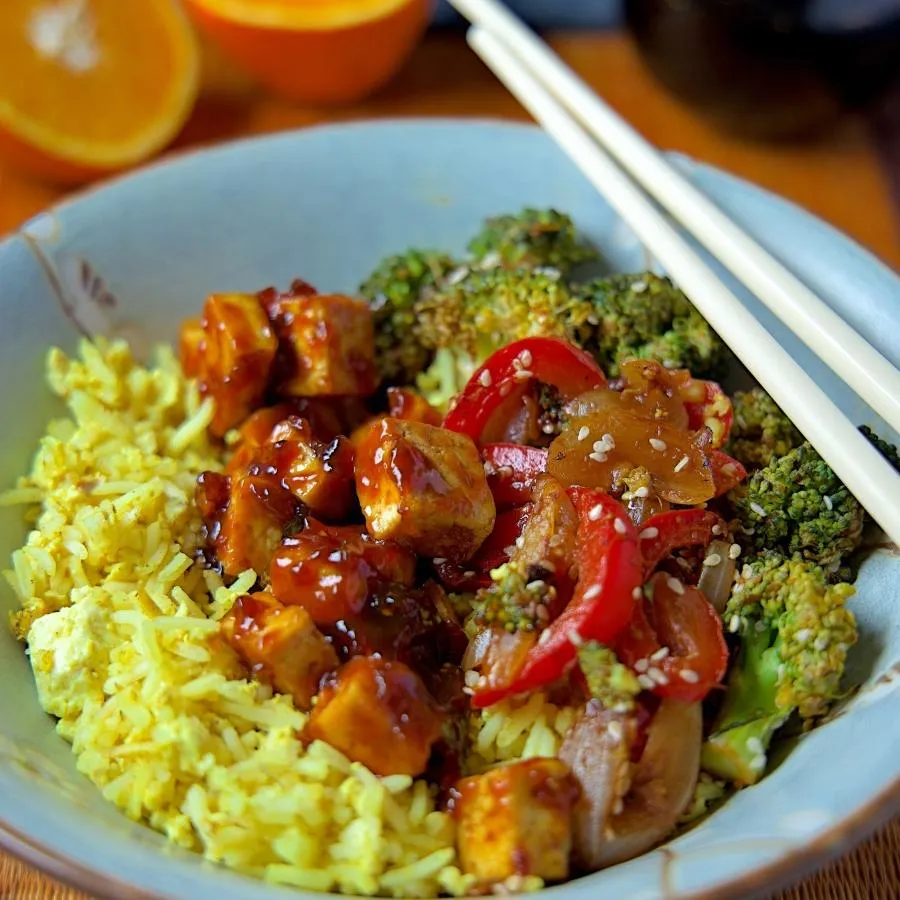
Dinner: Orange Tofu and Vegetable Stir Fry
This delicious meal is as good as the popular takeout. It also includes a soy product, tofu, for menopausal health.
Add plenty of sliced veggies and serve over rice or noodles. Try this straightforward and delicious recipe.
Tuesday
Breakfast: Granola
The ideal granola is a fibre-rich, low-fat nutrient powerhouse. Unfortunately, many poor imitations are as healthy as a bowl of candy. Either read the label of your granola scrupulously or make your own with maple syrup to sweeten.
Include rolled oats, rye or barley, nuts, seeds, and dried fruit. Enjoy a small portion with plant-based milk or soya yogurt and top with fresh berries.
Snack: Chia Seed Pudding
According to Healthline, chia seeds are known as superfoods because they pack a powerful nutrient punch, including fatty acids, potassium, phosphorus, calcium, and magnesium, all essential for the transition to menopause.
Combine two tablespoons of chia seeds, ½ cup almond milk, and a squeeze of maple syrup. Mix well until there are no clumps. Refrigerate for two hours or overnight.
You can also make chia fruit pudding and this 15-minute banana chocolate chia pudding in advance, so it’s an ideal candidate for meal prep.
Lunch: Soup
Soup is soul food loved by toddlers, teens, and adults alike. The best soups are hearty and can get as creative as you like. They're great for adding leftovers and bits and bobs of veggies lurking in the fridge: half a baked potato, steamed beans, or a wilted carrot.
Enjoy a hearty bowl of lentil soup packed full of plant-based proteins.
Snack: Fruit
If you don't have berries for breakfast, have a small bowl of strawberries or blueberries. Otherwise, enjoy a small clementine or satsuma.
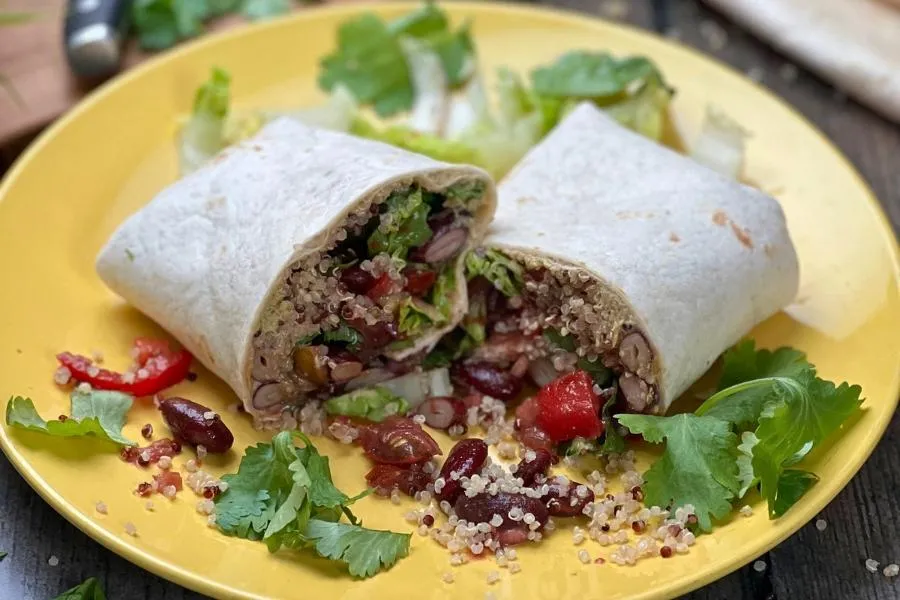
Dinner: Burritos
It’s like Taco Tuesday, but enjoy plant-based burritos with a Tex-Mex theme instead.
Wednesday
Breakfast: Wholegrain Toast With Avocado
Older women's oestrogen levels can be low in the mornings, with high cortisol levels. This combination can lead to anxiety. The healthy fats ease morning nerves.
Snack: Energy Balls
Energy or protein balls are delicious morsels that contain nut butter, oats, seeds, and other flavourings. They're refrigerated until set and popped straight into your mouth. Look out for energy balls that contain maca root, which eases many symptoms of menopause, particularly memory loss and depression, as reported by the Australian Menopause Centre.
Lunch: Salad
Make another generous bowl of salad for your lunch, ensuring that you include a protein source. Try this delicious Mexican mango salad recipe, full of vibrant vegetables, black beans, and spicy jalapeño.
Snack: Popcorn
Have two cups of air-popped popcorn without oil. Add nutritional yeast rather than salt for protein and flavour.
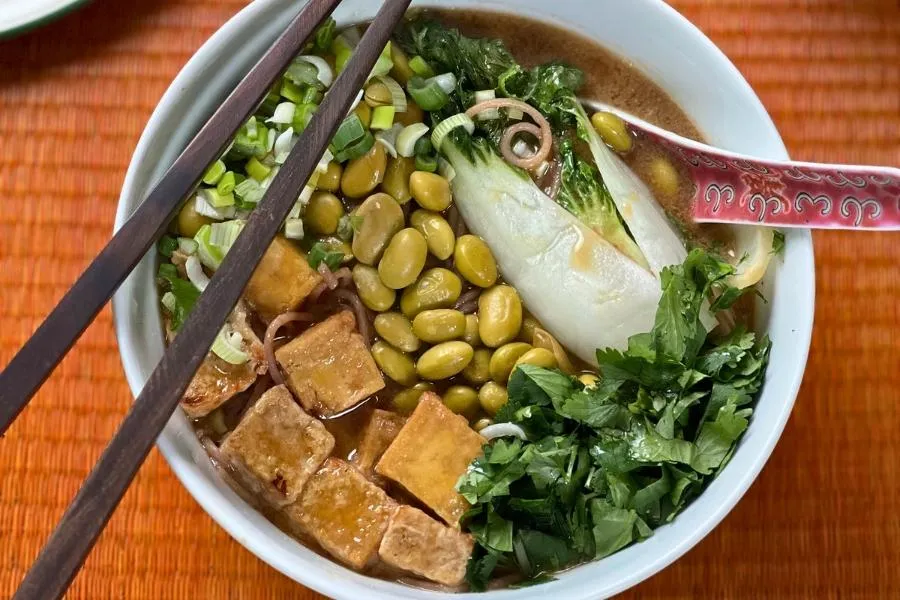
Dinner: Ramen Bowl
Ramen bowls are quick to make and combine the best of a soup and a salad. This umami recipe includes tofu, rich in phytoestrogen, and plenty of veggie-rich broth.
Thursday
Breakfast: Smoothie
This quick breakfast is a lifesaver on a busy morning as you can grab it and go. But you have to take care when making smoothies so they don't become high in sugar and calories.
Limit the fruit content to one cup per serving and up the veg, like this green smoothie.
Also, add other nutritious ingredients like seeds, oatmeal, spicy ginger, and turmeric. According to Nutrition Facts, Turmeric is highly nutritious, with its ingredient curcumin having anti-carcinogenic properties.
Snack: Edamame
Snack on a bowl of steamed or microwaved edamame with a sprinkle of salt.
Alternatively, try this simple, savoury air-fryer sesame edamame recipe.
Lunch: Dosas
Dosas, a cross between a pancake and a wrap, are often eaten for breakfast in India. What makes them particularly wholesome is that they're made with gram or chickpea flour, adding a protein boost.
Fill your dosa with leftover curry, dal, salad, or leftover stew for a light lunch.
Snack: Crackers with Hummus
Wholegrain or rice crackers make a quick snack and are extra nutritious when topped with tasty oil-free hummus.
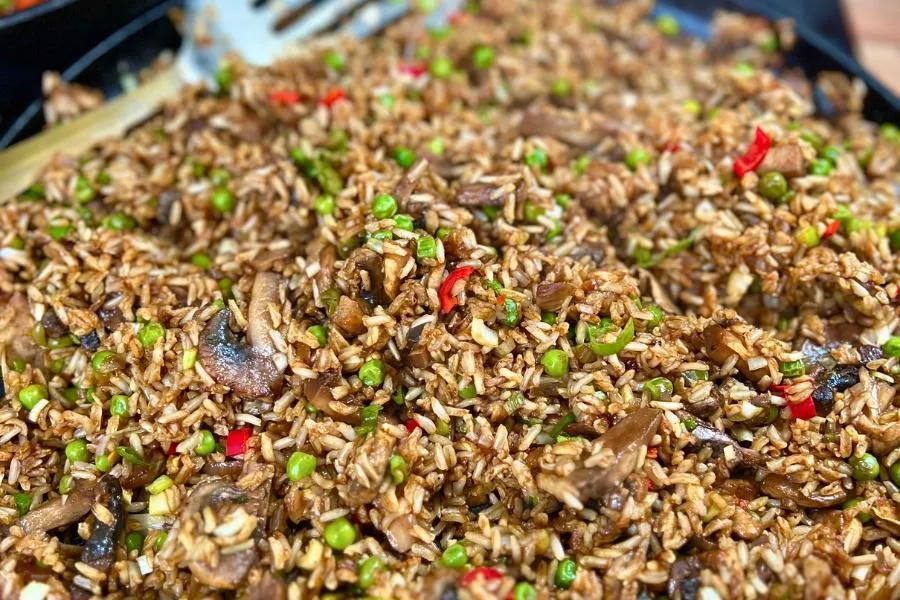
Dinner: Mushroom Fried Rice
Instead of ordering unhealthy takeaway rice fried in oil, make your own with brown basmati rice for a roughage boost. Add plenty of vegetables and as much chilli as you like.
Friday
Breakfast: Overnight Oats
There’s nothing like a warm bowl of oatmeal on a chilly morning — it’s slightly chewy, flavourful, and utterly nourishing. However, with time pressure in the mornings, preparing your oats the night before can be easier.
The next day, you can dig into your overnight oats immediately.
Snack: Smoothie
A superfood smoothie filled with vegetables will give you the energy to get through work on a Friday afternoon. Pineapple is great for easing digestive issues, which low estrogen levels can cause.
Lunch: Buddha bowl
“Bowl” is vegan shorthand for a one-bowl meal. For a healthy, balanced bowl, EatingWell recommends including the following:
Grain: buckwheat, quinoa, rice
Plant-based protein: tempeh, tofu, legumes
Veggies: a mix of raw and cooked veg
Sauce: healthy fats like avocado or olive oil
Toppings: seeds, nuts, fresh herbs, seaweed
Snack: Fruit
Enjoy a small piece of fruit (e.g., plum, apple or pear).
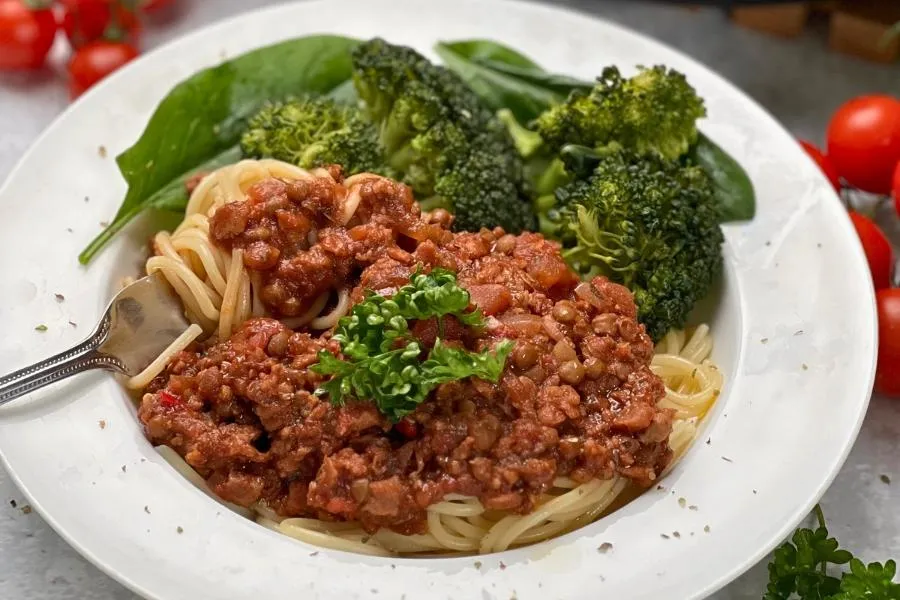
Dinner: Spaghetti
Make a quick pasta and put your feet up for the evening. This plant-based Bolognese contains soya mince with its phytoestrogen and plenty of tomatoes to help remove toxins from the body.
Saturday
Breakfast: Scrambled Tofu
A more leisurely morning means you can have a cooked breakfast. Scrambling tofu is as easy as scrambling eggs — make this recipe once, and you'll be making it again and again.
The secret is in the seasoning, which contains nutritional yeast, rich in vitamin B and plant-based proteins.
Every time you make this, make extra for tomorrow or for during the week.
Check out these two recipes for scrambled tofu:
Snack: Fruit
Enjoy a nutritious banana with its potassium and magnesium punch if you've worked out. Bananas are also great for improving bone and heart health.
Lunch: Soup
Put on a pot of soup to cook in the background while you get on with weekend chores. Creamy parsnip soup will warm you up if it's a chilly day. Serve it with some wholemeal toast for a hearty treat.
Snack: Ants on a Log
While catching up on your favourite shows, snack on celery sticks filled with peanut butter and raisins.
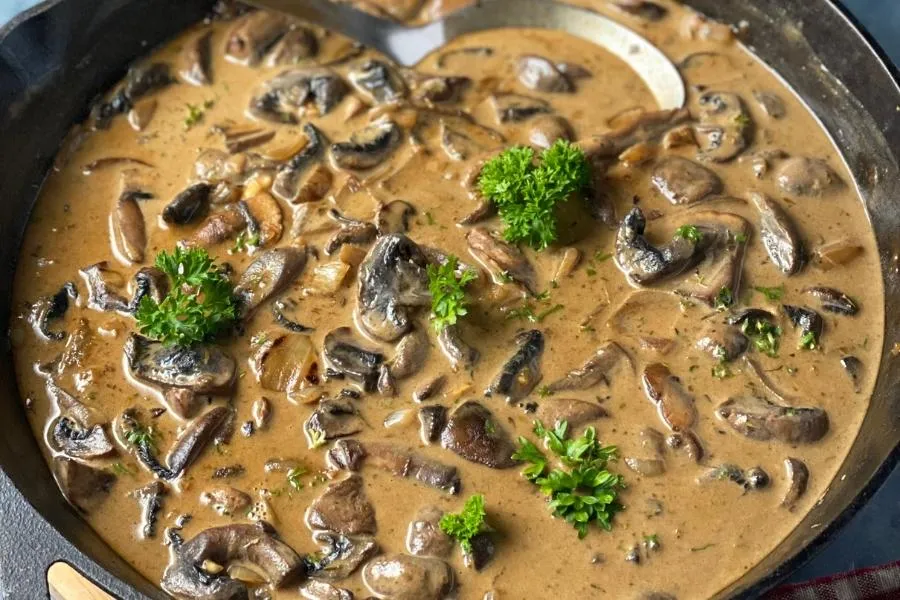
Dinner: Mushroom Stroganoff
Impress your friends by serving this luscious stroganoff for dinner. The creamy sauce comes from cashew nuts, which are excellent for bone health and protection against heart disease and cancer.
Sunday
Breakfast: Vegan Smoked Salmon
Snack: Fruit
Have a small bowl of raspberries, minimising fat absorption and stimulating metabolism.
Lunch: Macaroni Cheese
This plant-based version of macaroni cheese contains zero oil. The silky sauce contains sweet potatoes, a traditional diabetes treatment, as they help balance blood sugar.
According to Women’s Health, sweet potato also promotes skin health because of the high carotene levels, ideal for the dryer skin of women over 40.
Snack: Kale Chips
Instead of reaching for fatty potato chips while watching the soaps, grab a bowl of kale chips to help detoxify and lower cholesterol. They're easy to make in a food dehydrator or a regular oven.
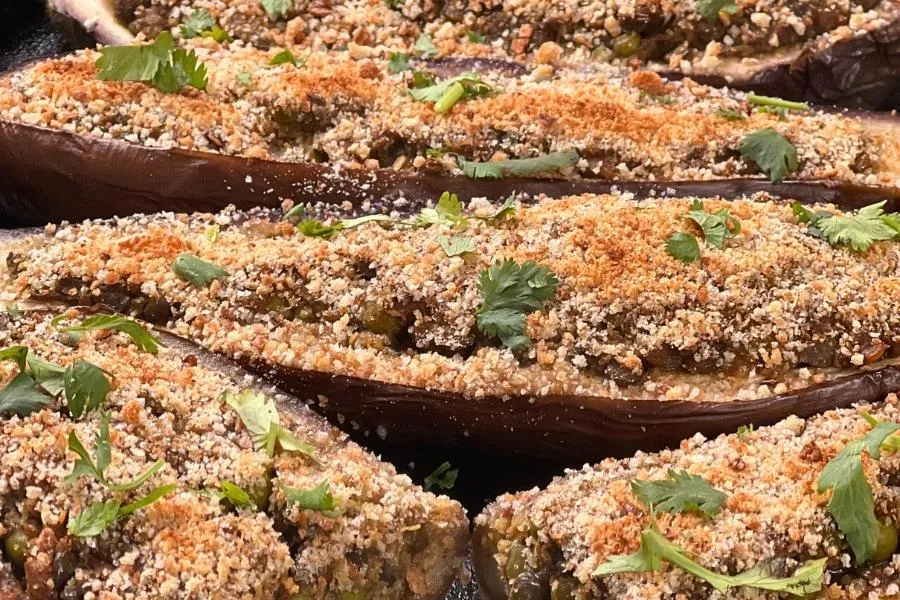
Dinner: Eggplant Cutlets
Eggplants or aubergines are delicious and hearty vegetables full of antioxidants. They also contain lots of fibre and improve gut health. Serve these cutlets with a green salad.
How to Start a Plant-Based Menopause Diet: 3 Simple Steps
If a full week feels like a lot at once, start here instead.
Step 1 — Add before you subtract. For your first week, simply add one daily serving of soya (a handful of edamame, a glass of soya milk, or some tofu in dinner) and one tablespoon of ground flaxseed (in porridge, smoothies, or yogurt). Don't change anything else yet. Many women notice their hot flushes start to ease within 2–3 weeks just from this.
Step 2 — Crowd out, don't cut out. In week two, focus on filling half your plate with vegetables at lunch and dinner, and including a plant protein at every meal. The other foods naturally take a back seat without you having to fight willpower battles.
Step 3 — Get support if you want a shortcut. The 30-Day Jump Start pulls all of this together into a guided programme with strength training, mindful eating support, and a community of women going through the same transition.
Frequently asked questions
How long does it take to see results from a plant-based menopause diet?
Most women notice hot flushes easing within 2–4 weeks of consistent changes, especially after adding daily soya. Energy and sleep often improve in the first week. Weight changes and bone-health benefits take longer — typically 3 months for measurable shifts.
Is soya safe during menopause?
Yes. The myth that soya is harmful comes from animal studies using isolated supplements at unrealistic doses. Whole-food soya (tofu, tempeh, edamame, soya milk) is consistently linked in human research to reduced menopause symptoms and lower breast cancer risk — even in women with a history of breast cancer, according to Harvard's Nutrition Source.
Can I follow this menopause diet plan if I'm on HRT?
Absolutely — they're not mutually exclusive. Many women combine HRT with plant-based eating for additional symptom relief, weight management, and long-term heart and bone protection. Speak to your GP about timing if you're starting both at once.
Why is a plant-based diet good menopause?
A plant-based diet supports hormone balance, bone health, and heart health while easing menopause symptoms like hot flushes and weight gain.
What nutrients are essential for women over 40?
Key nutrients include fibre, protein, calcium, vitamin D, omega-3s, and phytoestrogens to support digestion, muscle, bone, and heart health.
Can a plant-based diet help with menopause symptoms?
Yes, phytoestrogens in plant-based foods mimic estrogen, helping to reduce hot flushes, mood swings, and bone density loss.
What are the best plant-based protein sources?
Great options include tofu, legumes, nuts, seeds, quinoa, and whole grains to maintain muscle mass and overall strength.
Is this diet suitable for weight loss?
Yes, but while it's not specifically for weight loss, a plant-based diet rich in fibre and protein can naturally support healthy weight management.
The bottom line:
A plant-based meal plan for women over 40 contains all the essential nutrients our changing bodies need.
An easy weekly plan includes fibre, calcium, vitamin D, phytoestrogen, protein, and other minerals to keep you in excellent health, mind, body and soul.
More than a meal plan — this 30-day guided program gives you the mindset, movement, and meals to finally feel like yourself again.
Last reviewed: May 2026
💚 "Happy Plant-Based Eating & Exercising!" 💚
Plant-Based Susy
Plant-Based Nutrition Professional & Weight Loss Coach
Empower Yourself: Embark on a Delicious Fat Loss Adventure


🍉 Get Ready to Jump Start Your Fitness Goals AND DISCOVER A HEALTHIER YOU!
🍉 Let's Make Your Fat Loss & Optimum Health Journey a Delicious Success Story!
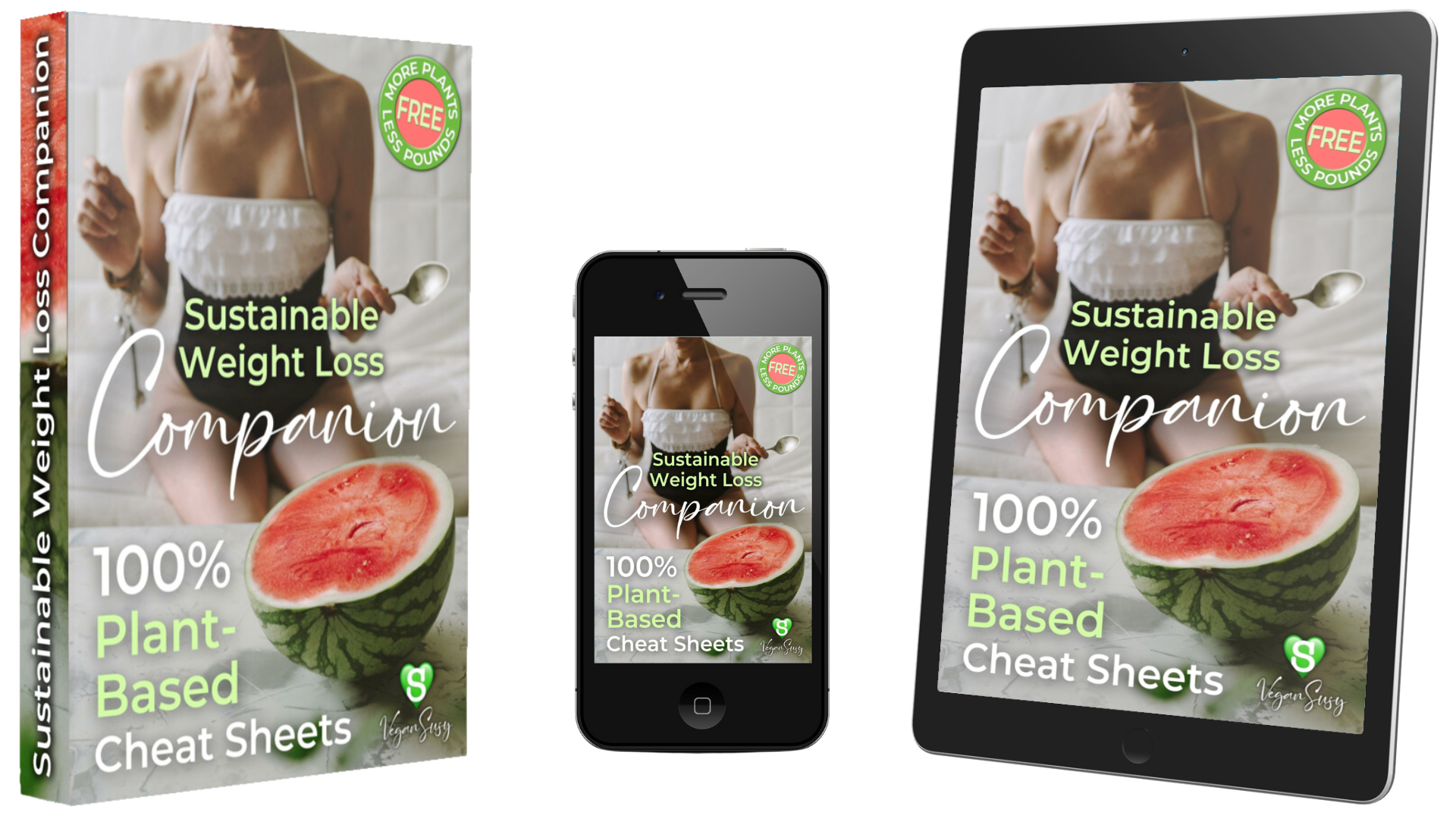
🍉 Get The FREE Sustainable Weight Loss Companion eBook and CHEAT SHEETS!
More Free Resources
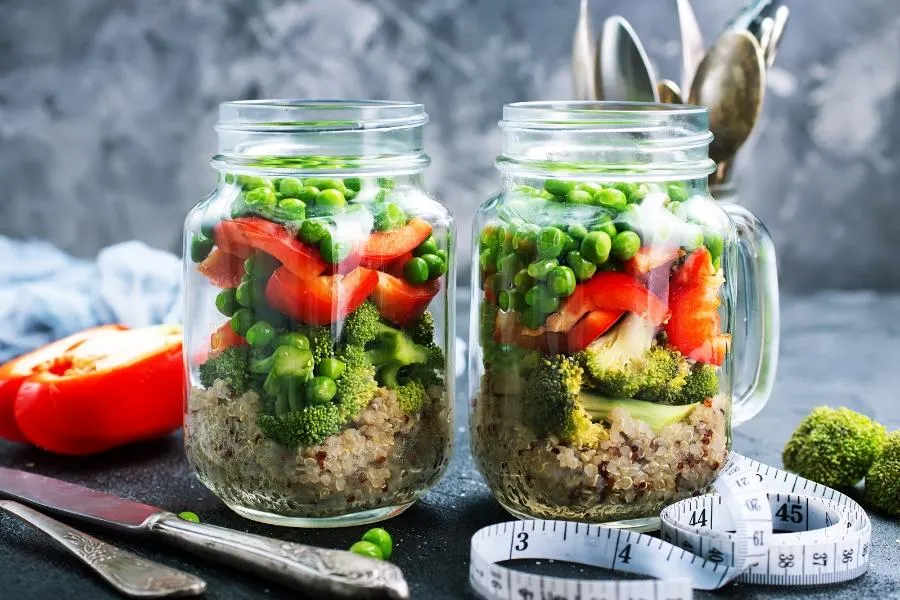
The Ultimate Guide to Plant-Based Meal Prep for Vegan Weight Loss
Ready to revolutionise your meals and your health? Look no further than a vegan diet! Discover the ease and benefits of meal planning and preparation with simple strategies and my tasty make...
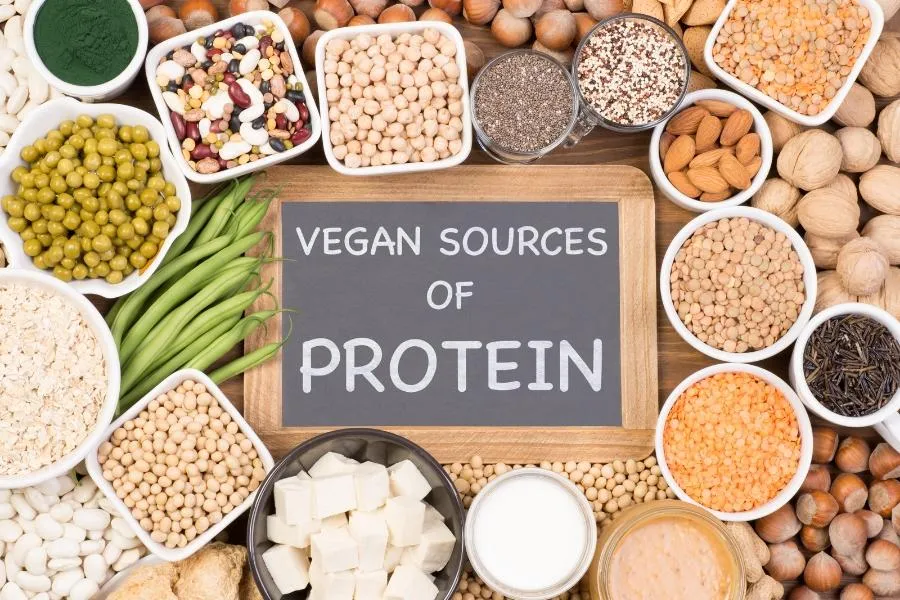
Top 15 Plant-Based Protein Sources for a Vegan Diet
As a vegan health coach and plant-based nutritionist, I often get asked about plant-based protein sources. After all, protein is an essential nutrient that plays a vital role in the function and structure of our...

How Much Exercise Do You Really Need on a Plant-Based Diet?
Are you wondering how much exercise you need to get in shape and boost your energy on a plant-based diet? Look no further! In this post, we’ll dive into the optimal amount of exercise for optimal…
Unlock Your Transformation Today!
Let's Be Friends!





Created by

London-based coach
Plant-Based Nutrition Professional
T. Colin Campbell Center for Nutrition Studies / eCornell
Member, Plant-Based Health Professionals UK


Medical Disclaimer: This site provides general nutrition information based on research and personal experience. It is not medical advice. Please speak to your GP or registered dietitian before making significant changes to your diet, particularly if you have a medical condition.
© 2026 Vegan Susy Ltd. All Rights Reserved
Facebook
Instagram
Youtube
Pinterest